By Dustin Robertson, Sam Savin, and Tom Martin
Cities across the country are adopting policies that make streets safer and parks more accessible, recognizing that both are essential strategies for community health and resilience. Parks and greenspaces offer wide-ranging health benefits, from improving physical and mental health to fostering social connection and protecting communities from extreme heat. Yet for millions of people, those benefits remain out of reach because it is unsafe or difficult to get to a park.
Complete Streets policies can change this by ensuring streets are designed for everyone. When paired together, Greenspace and Complete Streets policies form a powerful foundation for building equitable, connected, and thriving communities.
Greenspace: Addressing the Outdoor Equity Gap
Cities across the U.S. are expanding access to greenspace as a core public health strategy to improve the physical, mental, and social well-being of residents of all ages. Spending time in greenspaces can reduce stress, ease symptoms of anxiety and depression, and improve cognition, attention, and sleep. Living near a park increases physical activity and can lower the risk of chronic diseases such as obesity, hypertension, heart disease, cancer, and diabetes. Greenspace can also improve environmental health by cooling neighborhoods, improving air quality, and absorbing stormwater — benefits that reduce heat-related illness, support respiratory health, and help protect communities during extreme weather.
Despite these benefits, a significant outdoor equity gap persists in America. One in three people in the U.S., including 28 million children, do not have a park within a 10-minute walk of home. In many low-income neighborhoods and communities of color, parks are fewer, smaller, and serve significantly more residents per acre than in high-income, predominantly white areas. To help address these disparities, CityHealth offers tools and resources to help local leaders adopt Greenspace policies that prioritize underserved disinvested neighborhoods.
Complete Streets: Connecting People to Essential Places
Disparities in access to greenspace often overlap with transportation inequities. One major challenge is that access to a private vehicle is not universal. Neighborhoods where residents are less likely to own a car are often the same neighborhoods with fewer and more heavily used parks. Although most U.S. cities were built around car usage, one out of three people do not drive — primarily due to age, disability, or the costs of owning a vehicle. Car ownership rates also differ sharply by race and income, with people of color and lower-income households being less likely to have a vehicle. Without private vehicles, residents depend on public transit, which can be unreliable or difficult to access, or on walking and biking.
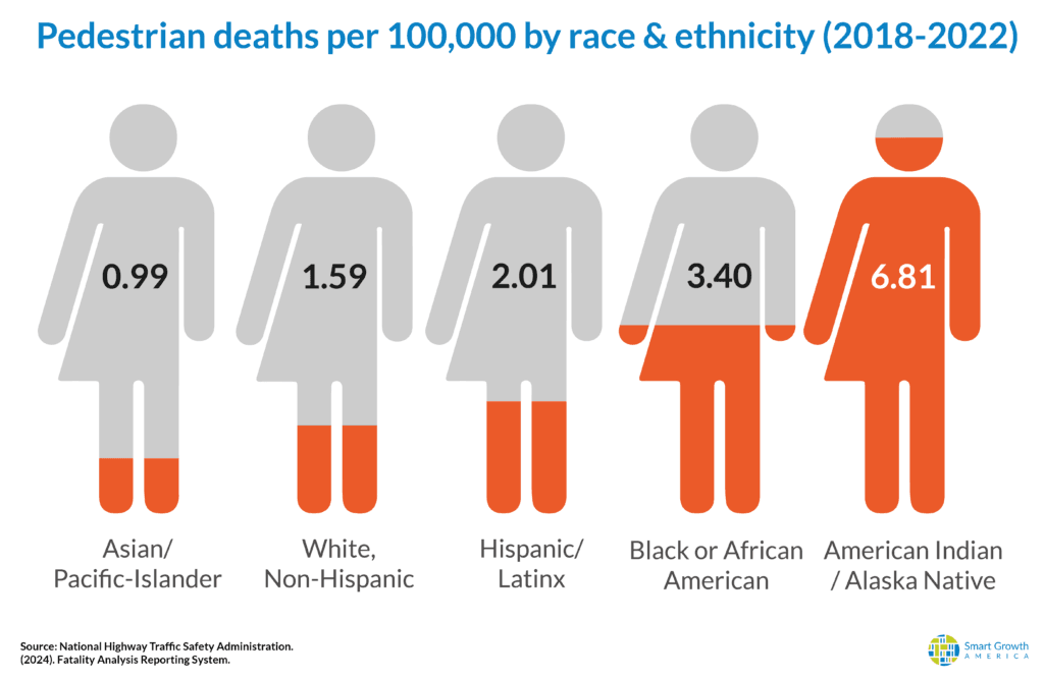
Safety is the second barrier. Decades of car-centric development that prioritizes speed over safety have made roads dangerous for everyone, especially people walking or biking. Pedestrian fatalities have increased significantly in recent years, and people of color face the highest risk of being killed while walking.
Like grocery stores, hospitals, and schools, parks and greenspaces are essential destinations for healthy communities. To ensure that residents can reach them, especially in low-income and minority neighborhoods, cities need transportation options that are safe, convenient, and dignified. Building a Complete Streets network, guided by a strong and well-implemented policy, is one of the most effective strategies for improving greenspace access. For guidance on improving access to parks in Complete Streets policies, Safe Routes Partnership provides a helpful resource.
How Greenspace and Complete Streets Work Together
Strong Greenspace and Complete Streets policies work hand-in-hand to help communities thrive. Safe, walkable streets make it easier for people to get to their local parks, and close-to-home parks are more impactful when they’re accessible via safe, walkable streets. It’s essential that as cities develop Greenspace policies, they also ensure that people can safely get to those parks.
San Jose, California
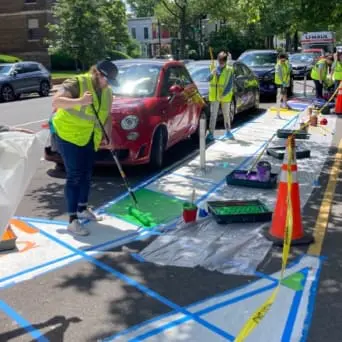
San Jose is a leading example of a city expanding access to parks by improving street safety. The Envision San Jose 2040 General Plan prioritizes pedestrian projects that increase access to parks. This commitment supported the creation of Walk Safe San Jose, a safety plan centered on neighborhoods with high rates of traffic injuries. The plan uses practical, low-cost “Quick Build” projects that reflect Complete Streets principles. Pop-up demonstrations near destinations like Guadalupe River Park help residents see how potential changes could work in their neighborhoods.
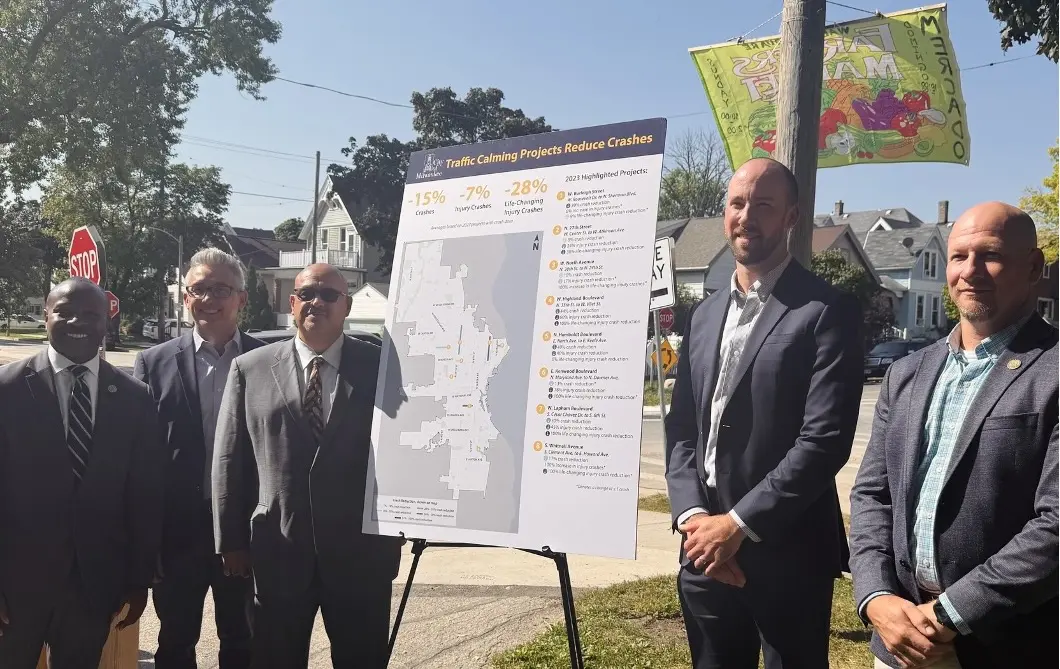
Milwaukee Mayor Cavalier Johnson (left) presents the impacts of traffic calming projects at Walker Square Park. The park saw safety and access improvements as part of a larger suite of traffic calming projects.
Milwaukee, Wisconsin
Milwaukee is also making a concerted effort to advance both policies in conjunction. Since adopting a strong Complete Streets policy in 2018, the city has published annual progress reports and developed supporting plans such as the 2019 Pedestrian Plan and the 2023 Complete Streets Handbook, which highlight the importance of park access in Complete Streets design. The efforts on both Complete Streets and greenspace are producing results: Milwaukee has the 18th best ParkScore in the country, with 95% of residents living within a 10-minute walk of a park (up from 91% in 2024).
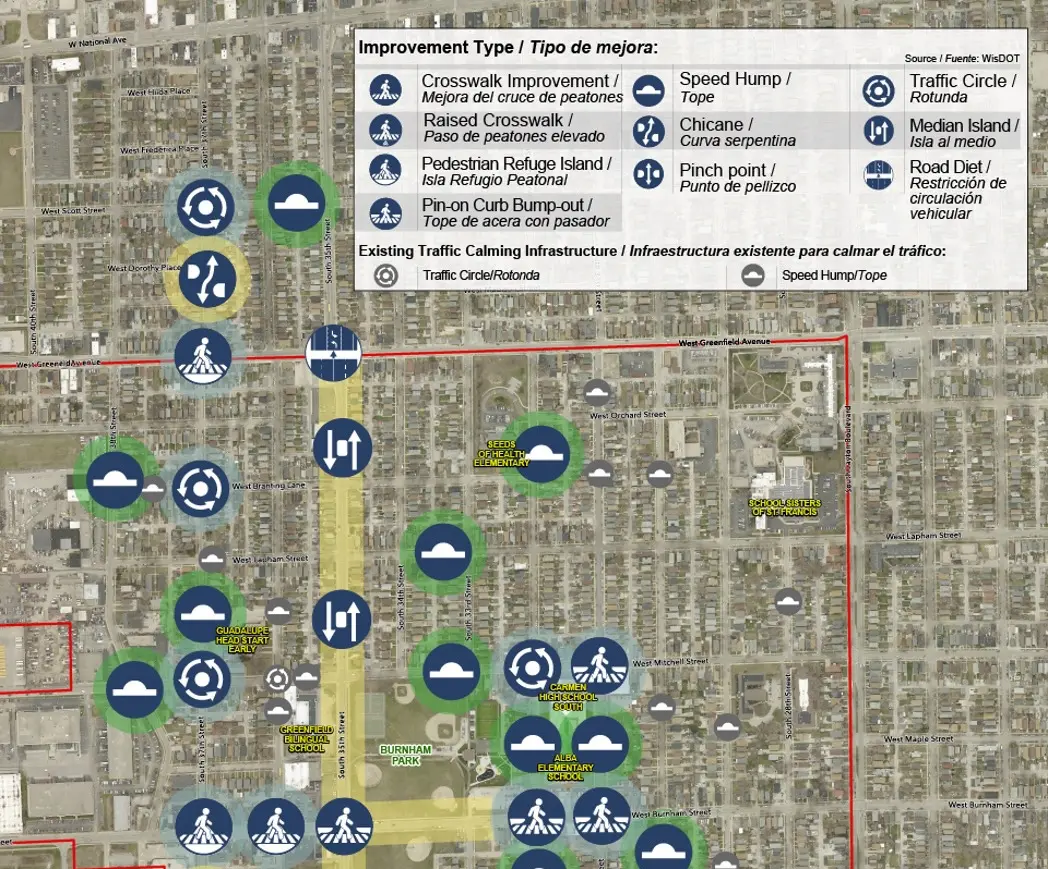
Recent safety improvements around Burnham Park and Rogers Park in Milwaukee (Source: City of Milwaukee)
Building Connected Networks of Health and Opportunity
Healthy and resilient communities depend on coordinated approaches to how cities design and connect public spaces. Greenspace and Complete Streets policies help ensure that every resident can safely reach the parks, trails, and natural areas that support community well-being.
By integrating these policies, cities can create networks of health, opportunity, and connection. Explore CityHealth’s resources to learn how your community can take the next step toward safer streets and healthier parks for all.
Dustin Robertson is the senior program manager, Thriving Communities at Smart Growth America; Sam Savin is the associate director, Technical Assistance and Park Equity Accelerator at Trust for Public Land; and Tom Martin is the communications director at CityHealth.